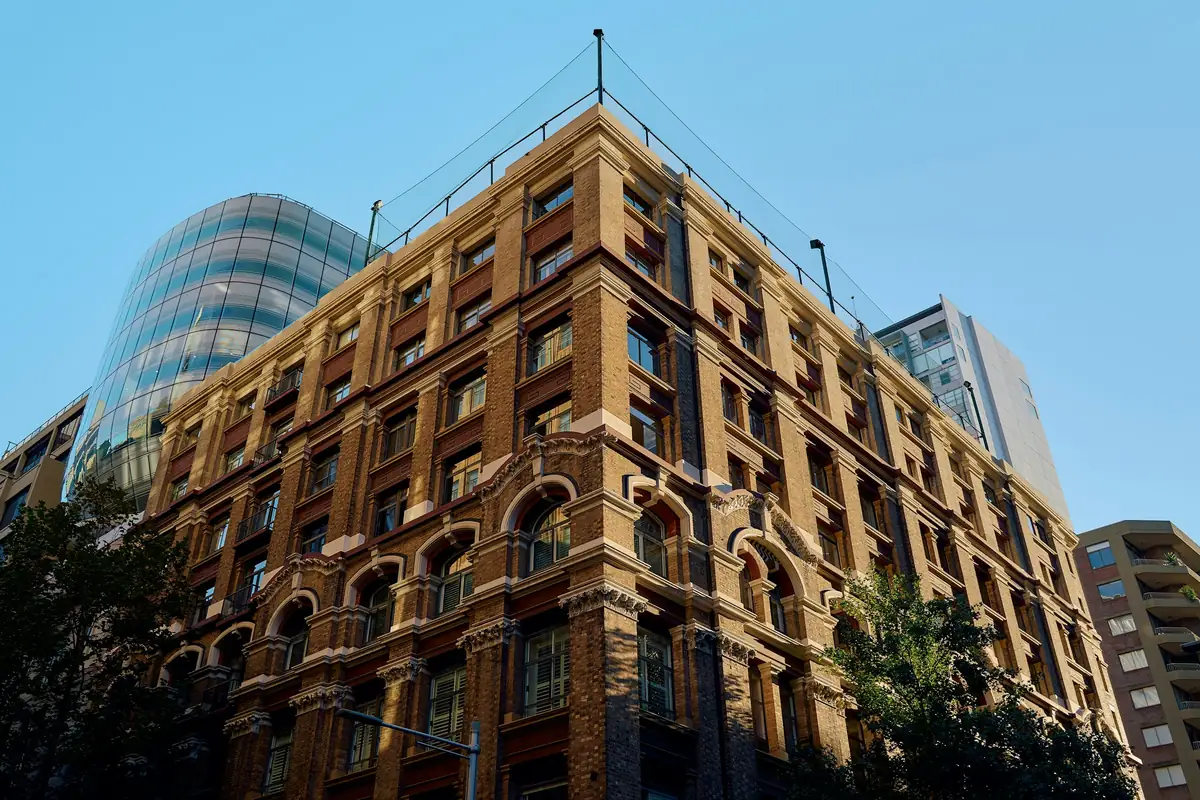
Example scenario — illustrative of the commercial finance situations Emet Capital is positioned to support. Not based on a specific client matter.
A second mortgage working capital case study shows how a property-backed business loan can sit behind an existing first mortgage to fund a commercial cash-flow gap. In this illustrative scenario, the borrower needed temporary working capital after a delayed debtor payment and supplier pressure created a short-term mismatch. The key reason a second mortgage was considered was not simply speed. It was that the business had usable property equity, a clear commercial purpose, and a planned exit.
A second mortgage can help a business access equity without replacing the first mortgage, but it also increases secured debt and should be treated carefully. The structure works best when the cash-flow problem is temporary, the purpose is specific, and the borrower can explain how the facility will be repaid or refinanced.
Related In-Depth Guides
- Second Mortgages for Business — foundation guide to second mortgage structures for business borrowers.
- Working Capital Loans for SMEs — broader working capital options for Australian businesses.
- Second Mortgage Loan Equity Access Strategies — ways businesses use property equity without replacing the first mortgage.
- Second Mortgage Without Refinancing Your First Mortgage — explains why preserving the first facility can matter.
- Commercial Property Loans in Australia — context for longer-term property-backed commercial finance.
- Business Debt Consolidation Australia — relevant where working capital pressure is linked to multiple debts.
At a Glance
| Question | Practical answer |
|---|---|
| Scenario type | Temporary SME working capital gap secured by a second mortgage. |
| Borrower profile | Business owner with commercial-purpose funding need and usable property equity. |
| Problem solved | Supplier pressure and debtor timing mismatch while preserving the existing first mortgage. |
| Main lender focus | Equity, first mortgage position, business purpose, cash-flow evidence, and exit strategy. |
| When it may fit | When the gap is temporary and the repayment path is credible. |
| When it may not fit | When the business has a permanent cash-flow deficit or no clear exit. |
Who This Is For
This case study is for business owners, property investors, and advisers comparing whether a second mortgage for business can support working capital without disturbing an existing first mortgage.
It is most relevant where the borrower has a property-backed security position, a specific short-term use of funds, and a pathway to reduce or refinance the debt. It is not a substitute for accounting advice, financial advice, or a full review of the business model.
When To Use A Second Mortgage For Working Capital
A second mortgage may be considered for working capital when the funding need is specific, short term, and tied to a commercial outcome. Examples include supplier deposits, debtor timing gaps, inventory cycles, payroll pressure linked to a delayed receipt, or funding a contract before revenue lands.
The structure is usually less suitable when the business has a persistent cash-flow deficit. If the business cannot explain why the shortage happened, how it will be corrected, and what prevents it recurring, secured debt may only delay a deeper problem.
Borrowers should compare the structure with line of credit equity options, invoice finance, and other business finance options before assuming a second mortgage is the right fit.
The Scenario: A Good Business With A Timing Problem
The borrower in this illustrative scenario operated a trade services business with a stable project pipeline. The business had completed several jobs, but a major debtor payment was delayed. At the same time, suppliers were asking for payment before releasing materials needed for the next stage of work.
The first mortgage on the director's investment property was current, and the borrower did not want to refinance it because the existing facility remained useful. The issue was not a desire to replace the first mortgage. The issue was accessing enough equity to bridge a temporary commercial gap.
This is where a second mortgage can sometimes be considered. It may allow a borrower to keep the existing first mortgage in place while adding a separate business-purpose facility behind it.
Why The First Mortgage Was Left Alone
The borrower wanted to preserve the existing first mortgage because refinancing the whole debt could have taken longer and may have disturbed a workable structure. A full refinance would also have required reassessing the entire loan position, not just the working capital need.
A second mortgage narrowed the question. The lender could focus on the available equity, the ranking behind the first mortgage, the commercial purpose, and the repayment pathway. That does not make the structure automatically suitable, but it can make it more practical where timing matters.
Borrowers weighing this choice should also read getting a second mortgage and first mortgage vs second mortgage before deciding whether layering debt is acceptable.
Indicative Structure Without Rate Claims
The structure was designed as a short-term second mortgage for business working capital. The lender assessed the property value, the first mortgage balance, the proposed second mortgage amount, and the overall leverage position.
The facility was not assessed like an unsecured overdraft. The property security mattered. So did the commercial purpose and the exit. The lender wanted to know why the funds were needed, how the money would be used, and how the business would reduce or repay the debt once the delayed receipts arrived.
Key documents included:
- property title and first mortgage details
- identification and business entity documents
- evidence of debtor timing and supplier pressure
- bank statements showing trading activity
- accountant or management information where relevant
- written explanation of the repayment pathway
The Exit Strategy
The exit strategy was based on debtor receipts and a planned refinance review once the cash-flow pressure eased. The strongest part of the file was that the repayment event was identifiable. It was not simply a hope that trade would improve.
The borrower could show invoices, project status, debtor correspondence, and expected timing. The lender still had to test whether that timing was realistic, but the exit was anchored to documents rather than guesswork.
A second mortgage exit may also involve sale, refinance, business profits, contract completion, or another capital event. The important point is that the exit must be clear before the facility settles. Our guide on bridging loan exit strategies is useful even though this example uses a second mortgage, because the same discipline applies.
What Made The File Workable
The file was workable because the borrower could explain the problem in plain terms. A debtor delay created a short-term working capital gap. Supplier pressure created urgency. The property had equity. The borrower wanted to preserve the first mortgage. The exit had documentary support.
That combination is stronger than a vague request for cash. Lenders are usually more comfortable when the money has a defined use and the borrower has already thought through repayment.
The broker role is to package that story honestly. That includes highlighting strengths, identifying weak points, and comparing alternatives such as private commercial loans for SMEs, private finance after bank delay, or a standard refinance.
Risks The Borrower Had To Understand
A second mortgage increases secured debt. If the business underperforms, the property can become exposed to enforcement risk. That is why the borrower must treat the facility as a serious secured obligation, not just a convenient cash injection.
The main risks in this scenario were:
- the debtor payment arriving later than expected
- supplier pressure continuing after the facility settled
- the business using funds for general leakage rather than the intended purpose
- the first mortgage lender's position limiting flexibility
- the borrower failing to refinance or reduce the facility on schedule
These risks do not automatically make the structure wrong. They do mean the borrower needs a conservative plan and professional advice.
When This Structure Would Not Fit
This structure would not fit if the business had no credible repayment path. It would also be weak if the borrower could not show trading evidence, debtor support, usable equity, or a specific commercial purpose.
A second mortgage may also be unsuitable where the first mortgage terms prevent additional secured lending, where combined leverage is too high, or where the borrower is using secured debt to cover losses that are likely to continue.
In those cases, alternatives may include renegotiating supplier terms, staged asset sales, business debt consolidation, invoice finance, or a broader restructure with professional guidance.
Practical Lessons From The Scenario
The first lesson is that working capital finance needs a reason, not just a requested amount. Lenders want to understand what caused the gap and why the proposed facility solves it.
The second lesson is that equity alone is not enough. Property equity can support a second mortgage, but a lender still needs to understand purpose, conduct, documents, and exit.
The third lesson is that preserving the first mortgage can be valuable, but only if the added second mortgage remains manageable. The borrower should compare the total secured debt position, not just the convenience of avoiding a refinance.
FAQs
What is a second mortgage working capital facility?
A second mortgage working capital facility is business-purpose finance secured behind an existing first mortgage and used to fund a commercial cash-flow need. It allows a borrower to access equity without replacing the first mortgage.
Can a second mortgage be used for business working capital?
Yes, a second mortgage can be used for business working capital where the purpose is commercial, the security position is acceptable, and the borrower has a credible repayment or refinance plan. It is not suitable for every cash-flow problem.
Why use a second mortgage instead of refinancing?
A borrower may use a second mortgage instead of refinancing when they want to preserve the existing first mortgage or when a full refinance would take too long. The trade-off is that the second mortgage adds secured debt behind the first lender.
What documents help a second mortgage working capital application?
Useful documents include title details, first mortgage information, business bank statements, debtor evidence, supplier invoices, accountant information, and a written explanation of the commercial purpose and exit strategy.
What is the main risk of using a second mortgage for working capital?
The main risk is turning a business cash-flow issue into a secured property obligation. If the business cannot repay or refinance the facility, the property security may be at risk.
When should a business avoid this structure?
A business should avoid this structure where the cash-flow problem is ongoing, the exit is unclear, the first mortgage terms are restrictive, or the borrower cannot show how the debt will be reduced or repaid.
Related Guides
- Second Mortgage Without Refinancing — preserving the first mortgage while accessing equity.
- When Second Mortgages Make Sense for SMEs — suitability checks for business borrowers.
- Second Mortgage vs Line of Credit — comparing fixed secured debt and flexible access.
- Working Capital Loans for SMEs — broader business cash-flow funding options.
- Commercial Property Refinancing Solutions — potential long-term takeout structure.
Disclaimer
This article is for informational purposes only and does not constitute financial advice. Emet Capital provides commercial lending solutions to eligible business borrowers. Please consult a licensed financial adviser, accountant, or commercial finance specialist as appropriate before making any financial decisions.