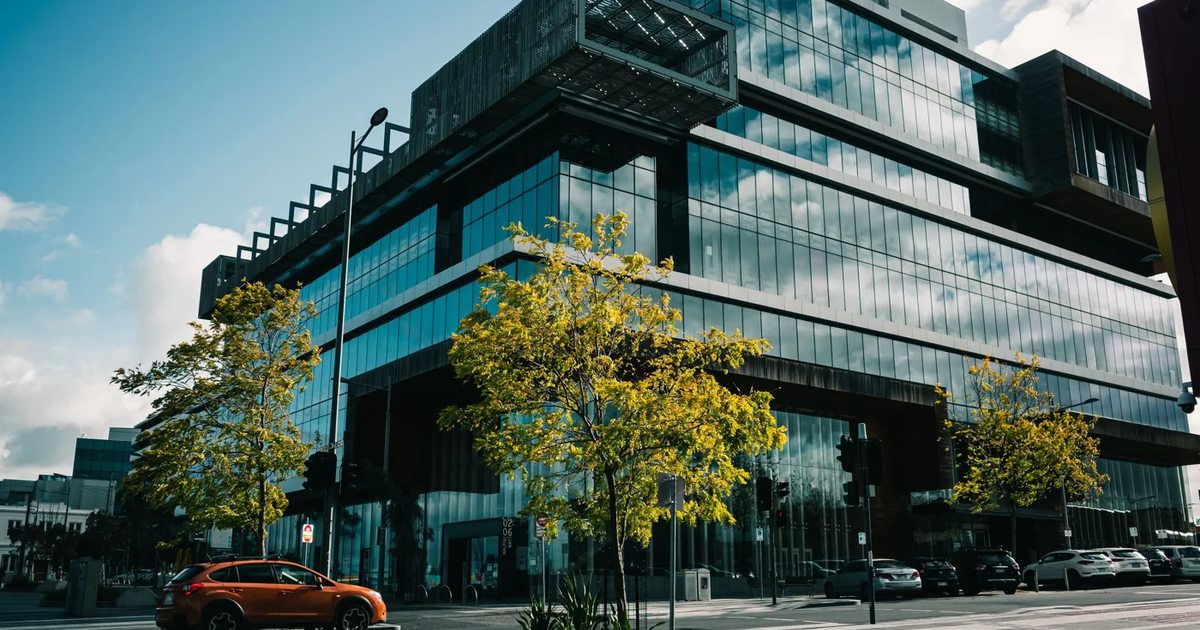
Example scenario — illustrative of the commercial finance situations Emet Capital is positioned to support. Not based on a specific client matter.
In Adelaide's evolving CBD, where heritage meets modernity, a commercial property investor identified an opportunity to transform an underperforming office building into a premium workspace. This refurbishment project would need to retain existing tenants while attracting new ones in a competitive market.
The Strategic Opportunity
Address: Rundle Mall Precinct, Adelaide CBD - South Australia's business heart
Property: 6-level office building built in 1980s
Size: 3,200 sqm total floor area across 6 levels
Current State: 60% occupancy with dated fitouts and systems
Adelaide CBD offers compelling advantages for commercial property investment:
- Government Hub with state and federal government tenants
- Transport Central with rail, tram, and bus convergence
- Lifestyle Appeal surrounded by parklands and cultural venues
- Affordable Rents compared to Sydney and Melbourne
- Growth Potential with urban renewal and population growth
The Refurbishment Vision
Building Modernization
- Facade Upgrade: Modern glazing and external cladding
- Lobby Transformation: Contemporary reception and common areas
- Lift Modernization: New lifts with smart building technology
- Accessibility Improvements: Full DDA compliance
Workplace Innovation
- Open Plan Flexibility: Adaptable floor plates for modern workplaces
- Technology Infrastructure: Fiber optic, smart building systems
- Sustainability Features: LED lighting, energy-efficient HVAC
- Amenity Spaces: End-of-trip facilities, breakout areas
Target Tenants
- Professional Services: Law firms, accounting practices, consultancies
- Government Agencies: State and federal department offices
- Tech Companies: Growing Adelaide tech sector
- Corporate Services: Regional headquarters and back-office operations
The Complex Challenges
Tenant Retention: Keeping existing tenants during construction
Market Uncertainty: COVID-19 impact on office demand
Building Compliance: Upgrading 1980s building to modern standards
Construction Logistics: Working in occupied building in busy CBD
Specific Project Challenges
- Occupied Building Works: 40% of building remained tenanted during renovation
- Heritage Considerations: Building in heritage precinct with design restrictions
- Service Disruptions: Minimizing impact on retained tenants
- Market Timing: Office market uncertainty due to remote work trends
Tenant Relations Management
Communication Strategy: Regular updates and consultation with tenants
Phased Construction: Level-by-level renovation to minimize disruption
Temporary Arrangements: Alternative workspace and parking solutions
Lease Incentives: Rent relief during construction periods
Indicative Finance Structure
Loan Amount: $2.1 million
Loan Type: Commercial property improvement loan
LVR: 70% against could improve property valuation ($3.0M)
Term: 15 months with progress payment facility
Security: First mortgage over property plus corporate guarantee
Commercial Property Expertise
Market Knowledge: Deep understanding of Adelaide commercial property
Construction Experience: Expertise in occupied building refurbishments
Tenant Relations: Understanding of commercial lease implications
Valuation Expertise: Accurate assessment of improvement value
Flexible Financing Structure
Phase 1 - Planning & Approvals: $300K (months 1-3)
Phase 2 - Core Building Works: $900K (months 4-10)
Phase 3 - Fitout & Technology: $600K (months 11-13)
Phase 4 - Marketing & Leasing: $300K (months 14-15)
Executing the Transformation
Design & Planning Phase (Months 1-3)
- Challenge: Balancing modern requirements with heritage precinct rules
- Solution: Engaged heritage-aware commercial architects
- Illustrative outcome: Council approvals could achieve within timeframe
- Innovation: Design enhanced building's street presence while respecting heritage
Phased Construction Management (Months 4-12)
- Challenge: Renovating occupied building without tenant disruption
- Solution: Sophisticated project management and tenant communication
- Illustrative outcome: Zero tenant departures during construction
- Method: Floor-by-floor renovation with temporary tenant accommodations
Technology Infrastructure Upgrade (Months 8-12)
- Challenge: Installing modern systems in 1980s building structure
- Solution: Creative routing and integration solutions
- Illustrative outcome: Building could achieve 5-star NABERS energy rating
- Investment: $280K in smart building and sustainability technology
Tenant Retention & Attraction (Months 10-15)
- Challenge: Retaining existing tenants while attracting new ones
- Solution: Lease renewal incentives and targeted marketing campaign
- Illustrative outcome: 100% occupancy could achieve 2 months after completion
- Illustrative result: Average rental increases of 15% for renewed leases
Illustrative Results
Occupancy & Rental Performance
- Occupancy Rate: 100% within 2 months of completion
- Rental Increases: Average 15% increase for existing tenants
- New Leases: Premium rates 20% above pre-renovation levels
- Lease Terms: Average lease length increased from 3 to 5 years
Tenant Mix & Quality
- Government Tenants: 40% of building (long-term stable income)
- Professional Services: 35% (law firms, accounting, consulting)
- Tech Companies: 15% (growing Adelaide tech sector)
- Corporate Services: 10% (regional offices and support functions)
Illustrative Financial Outcomes
- Total Investment: $2.4M including all renovation costs
- Property Value: Increased from $2.8M to $4.2M post-renovation
- Annual Rental Income: Increased from $420K to $525K
- Net Yield: Improved from 6.8% to 8.2%
- Capital Gain: $1.4M increase in property value
Building Performance
- Energy Rating: Improved from 2.5 to 5 stars NABERS
- Operating Costs: 25% reduction in building operating expenses
- Tenant Satisfaction: 95% satisfaction rating in post-completion survey
- Award Recognition: Adelaide commercial property renovation award
Adelaide Commercial Market Context
Adelaide's commercial property market offers unique advantages:
Market Characteristics:
- Lower vacancy rates than Sydney and Melbourne
- Affordable rents attracting business relocations
- Government sector provides stable tenant base
- Growing tech and professional services sector
Economic Drivers:
- State government employment
- Defense industry growth
- Healthcare and education sectors
- Emerging technology and startup ecosystem
Property Performance:
- Office rents: $200-450 per sqm (compared to $600+ in Sydney)
- Vacancy rates: 8-12% depending on grade and location
- Capital growth: Steady 3-5% annually
- Yield expectations: 6-9% depending on location and quality
Future Outlook:
- Population growth driving business expansion
- Infrastructure investment improving connectivity
- Urban renewal projects enhancing CBD appeal
- Hybrid work models creating demand for flexible, quality space
Lessons for Commercial Property Investment
Scenario Factors
- Location Selection: Choose areas with multiple demand drivers
- Tenant Focus: Understand and respond to modern workplace needs
- Quality Execution: Invest in premium finishes and modern systems
- Professional Management: Use experienced commercial property managers
Risk Management
- Tenant Relations: Maintain strong relationships during disruption
- Market Research: Understand local demand and rental expectations
- Construction Management: Use contractors experienced in occupied buildings
- Financial Planning: Allow contingency for unexpected costs and delays
Value Enhancement Strategies
- Technology Investment: Modern buildings command premium rents
- Sustainability Features: Energy efficiency reduces costs and attracts tenants
- Flexibility: Design spaces that can adapt to changing tenant needs
- Amenity Provision: End-of-trip facilities and common areas add value
The Broader Impact
This illustrative project scenario shows the potential for value creation in Adelaide's commercial property market:
Market Development:
- Set new standard for refurbished office space in Adelaide CBD
- Demonstrated viability of significant office building investment
- Contributed to Adelaide's reputation as business-friendly destination
Economic Contribution:
- Retained and attracted businesses to Adelaide CBD
- Created construction employment during renovation
- Enhanced building contributed to streetscape improvement
- Generated increased rates and taxes for local government
Industry Innovation:
- Showcased integration of heritage and modern design
- Demonstrated successful occupied building renovation techniques
- Proved market demand for premium office space in Adelaide
Conclusion
This Adelaide CBD scenario illustrates how strategic commercial property investment can generate exceptional returns in smaller capital cities. The combination of market knowledge, quality execution, and tenant focus created outcomes that exceeded expectations in a competitive market.
The key was partnering with a commercial property lender who understood both the opportunities and challenges in the Adelaide market. Emet Capital's local expertise and flexible approach could enable the investor in this scenario to execute a complex refurbishment while maintaining tenant relationships and maximizing property value.
Adelaide's continued growth as a business destination ensures that quality commercial properties will remain in demand, making commercial property investment an attractive opportunity for investors with the right expertise and financing partners.
Related Services
- Refinancing Solutions - Commercial property refinancing
- First & Second Mortgages - Property-secured business finance
- Private Lending - Flexible non-bank funding
Emet Capital provides specialised commercial property finance across Australia's capital cities and regional centres. This illustrative scenario and flexible lending approach help property investors maximize returns while managing renovation and development risks.